

James Byrd Rogers is best known as the eldest son of Fred Rogers, the gentle creator and host of Mister Rogers’ Neighborhood, and pianist Joanne Byrd Rogers. Born in 1959, James—often called Jim or Jamie in archival material—grew up near a television program that became part of American childhood. His story, however, is not simply an extension of his father’s fame. It is also a story about privacy, family pressure, and independence.
Reliable information about James remains limited because he has chosen a life away from constant publicity. That makes careful sourcing especially important. Archival episode records, established reporting, family documents, and the 2018 documentary Won’t You Be My Neighbor? provide a clearer picture than many celebrity-biography pages. They show a man who appeared on television as a child, faced normal family tension as a young adult, and later participated selectively in preserving Fred Rogers’ legacy.
Who Is James Byrd Rogers?
James was born in 1959 to Fred McFeely Rogers and Sara Joanne Byrd Rogers. He is the older brother of John Frederick Rogers, who was born in 1961. The family was closely connected to Pittsburgh, where Fred produced his landmark children’s program at WQED. James grew up in a home shaped by music, faith, television production, and conversations about feelings, but his parents also tried to give their sons room to become distinct individuals.
Public sources commonly refer to him as James, Jim, or Jamie Rogers. Those variations can confuse readers, but they describe the same person: Fred and Joanne Rogers’ eldest son. Unlike his father, James did not build a major public career around broadcasting. Most verified information about him comes from family appearances, documentary interviews, college-era reporting, and occasional events honoring the work of Mister Rogers.
- Born: 1959
- Parents: Fred and Joanne Rogers
- Brother: John Rogers
- College: Rollins College
- Son: Alexander Rogers
Growing Up in the Rogers Family

Growing up with Mister Rogers as a father offered warmth, music, and unusual access to television, but it also created pressure. Fred Rogers was widely viewed as patient, principled, and emotionally wise. His sons still had to separate the beloved public figure from their everyday parent. In later interviews, the family acknowledged that classmates sometimes teased the boys and that living beside such an admired moral image could feel challenging rather than effortless.
Joanne Rogers described a lively household in which Fred used music to change the mood. When the boys became restless, he might sit at the piano and turn the moment into a family parade. That memory matters because it shows the Rogers home was not a television set built around perfect behavior. It was a real family environment where parents responded to noise, conflict, boredom, and growing children with creativity, conversation, and patience.
| Aspect | James Byrd Rogers | Fred Rogers |
|---|---|---|
| Public role | Private family member | Television host and educator |
| Show connection | Occasional guest | Creator and host |
| Media presence | Limited and selective | Decades-long public career |
| Legacy role | Joins selected tributes | Central figure |
James Byrd Rogers on Mister Rogers’ Neighborhood
James appeared on Mister Rogers’ Neighborhood more than once. A documented family episode aired on March 30, 1971, when a photographer visited the television house to take pictures of the Rogers family. Joanne, Jamie, and John joined Fred near the piano and fish tank, sang with him, and appeared as themselves. The episode offered viewers a rare look at the real family behind the familiar cardigan, sneakers, puppets, and Neighborhood of Make-Believe.
He returned as an adult in Episode 1623, which aired on August 1, 1990. James arrived with his son Alexander, giving viewers a quiet three-generation family moment. Fred mentioned playing peekaboo with his grandson, and the group sat together at the piano before visiting the Trolley. The appearance connected James’ childhood link to the program with his own role as a father without turning his private family life into a continuing television storyline.
Rollins College and a Search for Independence
James attended Rollins College in Florida, the alma mater of both Fred and Joanne. In 1978, reporting described him as an 18-year-old freshman who had stopped writing or returning his parents’ calls for a time. The episode was publicly framed as rebellion, but James explained that he was trying to learn how to exist on his own. His words reflected a familiar young-adult need: building an identity beyond family expectations and a famous last name.
Fred and Joanne did not pretend the separation was painless. They acknowledged strain while allowing their son space. Decades later, James said his father had given him room to grow and did not treat outward choices, such as long hair or a beard, as measures of character. That response reflected Fred Rogers’ message that a person’s worth went deeper than appearance, although the experience also showed that practicing such values could still involve discomfort.
The period can be understood in three stages:
- James created distance while attending college.
- His parents allowed him room to develop independence.
- The family later reconnected without making the conflict permanent.
Private Adulthood and Family Life
James has kept most of his adult life outside the media. Public family records identify his wife as Margaret and confirm that he became a father, but dependable sources offer little detail about his occupation, finances, or daily activities. That absence should not be treated as a mystery requiring speculation. It is better understood as a preference for privacy, especially from someone who grew up watching a parent become a national cultural symbol.
Readers should be cautious when a profile attaches exact net worth figures, job titles, lifestyle details, or personal measurements to James without original documentation. A trustworthy biography separates established facts from assumptions. His limited media presence is itself part of the story: he appears publicly when a family or legacy milestone matters, then largely steps away from celebrity attention. Privacy is not a missing fact that another writer is entitled to fill with guesses.
Helping Preserve Fred Rogers’ Legacy
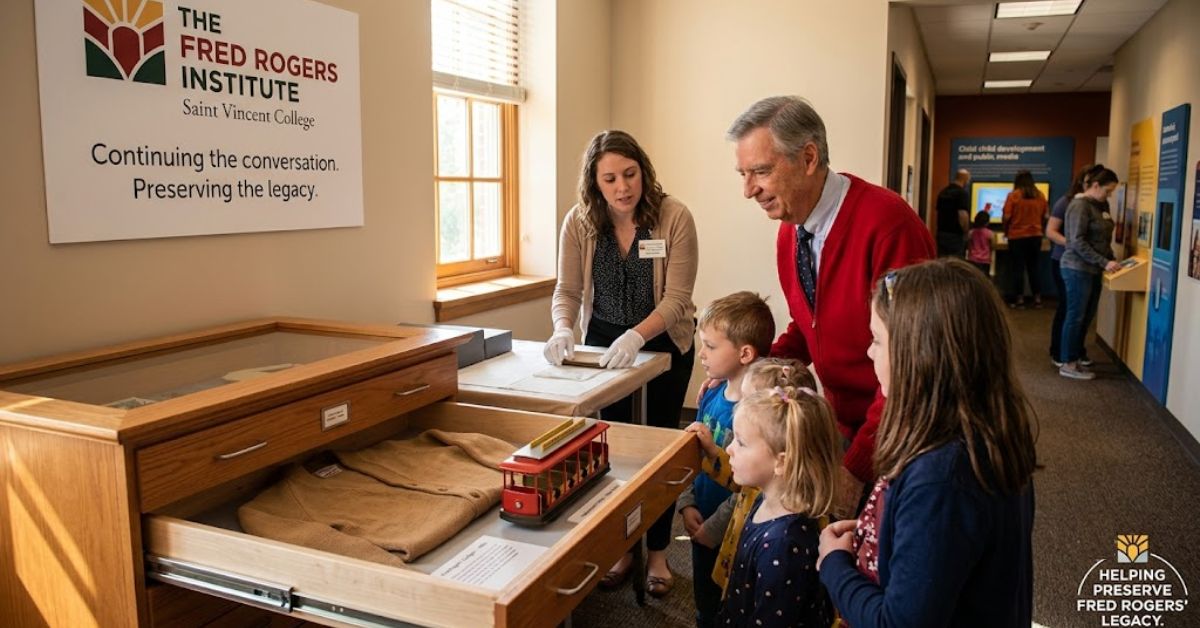
James participated in Won’t You Be My Neighbor?, Morgan Neville’s 2018 documentary about Fred Rogers’ life and philosophy. The project included interviews with Fred’s immediate family, including Joanne, James, John, and Fred’s sister. His participation gave viewers a fuller view of the man behind Mister Rogers, including the difficulties his children faced while growing up near an unusually admired public figure. It also allowed James to discuss family history on his own terms.
He has also appeared at selected public tributes. In October 2025, James and his brother John attended the inaugural Pittsburgh Walk of Fame ceremony, where Fred Rogers was honored among prominent figures connected to the region. Such appearances suggest that James supports recognition of his father’s work while maintaining personal boundaries. He is not a full-time spokesperson, but he has joined moments that place Fred’s television legacy within Pittsburgh’s wider cultural history.
| Year | Documented milestone |
|---|---|
| 1971 | Rogers family television appearance |
| 1990 | Episode 1623 with Alexander |
| 2018 | Documentary participation |
| 2025 | Pittsburgh Walk of Fame ceremony |
Why James Byrd Rogers’ Story Matters
James’ story matters because it makes the Rogers family more human. Fred Rogers taught children that difficult feelings could be named, accepted, and discussed. His eldest son’s college-age separation shows that those ideas did not create a conflict-free household. Instead, the family faced distance and frustration while trying to respect one another. That tension does not weaken Fred’s message. It illustrates how empathy can guide families through change without erasing pain or disagreement.
The story also offers a useful lesson about writing biographies of private relatives of famous people. Readers deserve clear facts, but subjects deserve boundaries. The strongest account relies on archival television records, direct interviews, established news reporting, and documented family sources. It avoids inventing a career or fortune simply to fill gaps. In James’ case, the unanswered parts of his adult life should remain unanswered unless reliable, voluntarily shared information becomes available.
Conclusion
James grew up beside one of America’s most trusted television figures, appeared occasionally on Mister Rogers’ Neighborhood, attended Rollins College, and worked through the challenge of forming an independent identity. He later returned for meaningful family and legacy moments, including a 1990 episode with his son Alexander, interviews for the 2018 documentary about Fred Rogers, and selected public tributes honoring his father’s cultural impact.
The most accurate view of James is therefore neither a celebrity success story nor a tale of permanent estrangement. It is the quieter account of a son who experienced the benefits and burdens of a famous parent, reconciled family history with personal independence, and chose privacy. That balance is what makes James Byrd Rogers an important part of the larger Mister Rogers story.